
How to Shortlist the Best IB Schools for Your Child Without Touring 10 Campuses

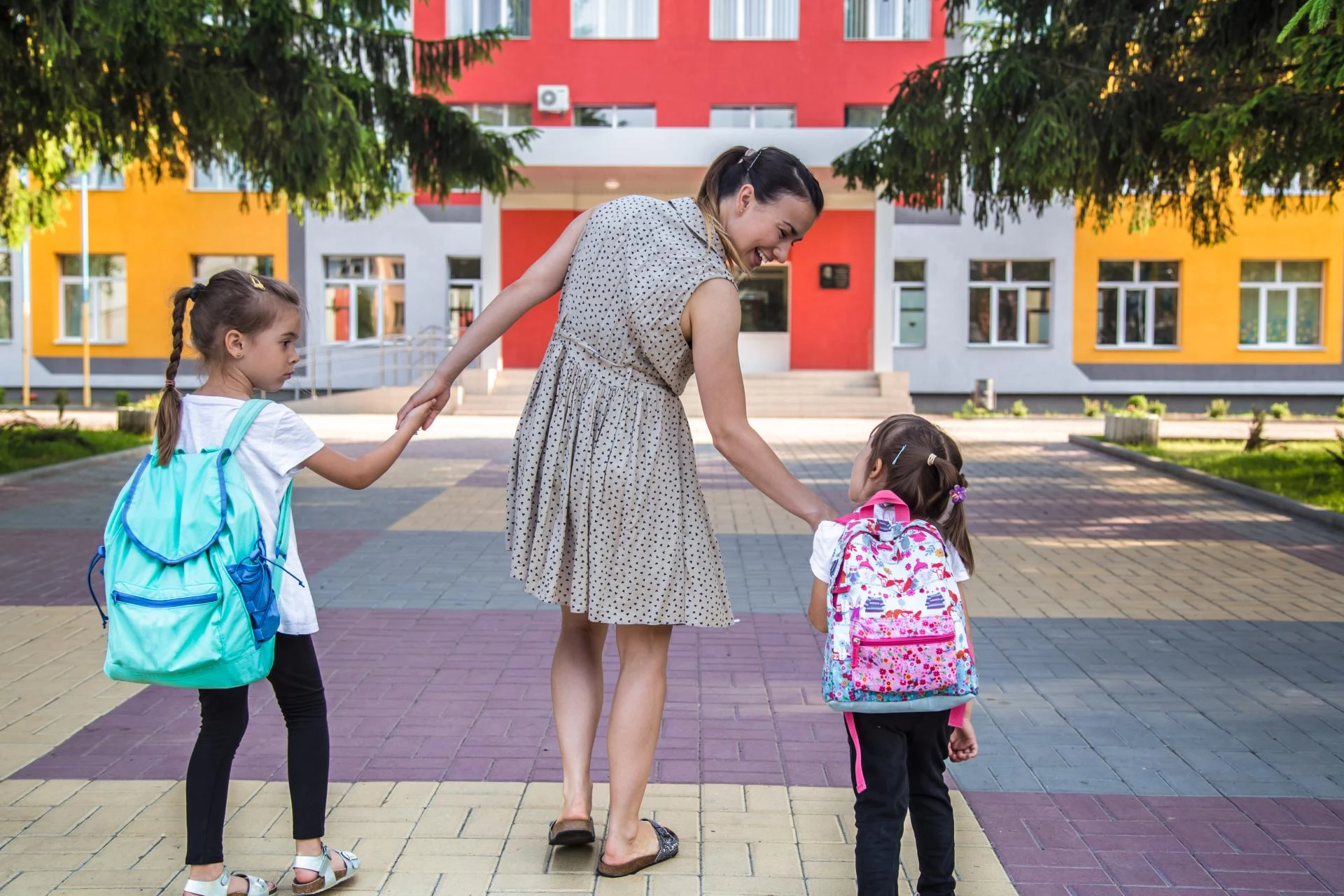
Choosing the right school is one of the biggest decisions parents make during their child’s early education years. Many families begin by comparing websites, visiting campuses, and attending open houses, but quickly discover that every school presents itself as a strong option.
The challenge is knowing what actually matters.
When parents search for how to choose an IB school, they are usually looking beyond rankings or facilities. They want to understand how to evaluate curriculum quality, teacher preparation, learning environments, and whether a school’s approach matches their child’s needs.
This parent guide to IB schools explains a practical framework parents can use to shortlist schools, ask better questions, and make a more informed decision before scheduling multiple campus visits.
Why Choosing an IB School Requires More Than Comparing Brochures
An IB school is not defined only by its use of international terminology or modern learning concepts. Parents need to understand how the programme is actually implemented inside classrooms.
The International Baccalaureate® Primary Years Programme (PYP) focuses on inquiry-based learning, encouraging students to explore concepts, ask questions, make connections, and develop independent thinking skills.
According to the International Baccalaureate Organization, schools must complete an authorization process before becoming an IB World School.
Authorization matters because it confirms that a school has met IB programme requirements rather than simply using IB-related language in marketing materials.
When evaluating IB schools, parents should first separate verified programme implementation from general claims about innovation or international education.
A Parent Framework for Comparing IB Schools Before Scheduling Tours
A strong shortlist does not begin with visiting ten campuses. It begins with identifying the factors that reveal whether a school genuinely fits your child.
Use these five evaluation areas:
IB authorization and programme structure
Classroom learning approach
Teacher preparation and student support
Parent involvement and communication
Accreditation and long-term stability
This process helps families create a focused IB school checklist before spending time on campus visits.
Step 1: Confirm IB Authorization and Programme Type
The first step in choosing an IB school is verifying its official status.
Parents should check:
Is the school an authorized IB World School?
Does it offer the Primary Years Programme (PYP)?
Is it fully authorized or still a candidate school?
Which grade levels participate in the programme?
An authorized IB World School has completed the IB approval process. A candidate school may still be working toward authorization.
Parent question to ask:
"What IB programme is currently authorized at your school, and which grade levels participate?"
This question provides more useful information than simply asking whether a school is "IB focused."
Step 2: Look Beyond IB Terminology and Evaluate Classroom Practice
Many schools may mention inquiry, creativity, collaboration, and global learning. The important question is how those ideas appear in daily classroom experiences.
Parents should look for evidence such as:
Students explaining their thinking
Teachers encouraging questions
Projects connecting multiple subjects
Opportunities for independent exploration
Student work showing reflection and problem-solving
The IB PYP is designed around transdisciplinary learning, where students explore concepts across different subject areas instead of treating every subject as completely separate.
For example, a unit about communities may include:
Social studies concepts
Writing activities
Research skills
Data collection
Creative presentations
This type of learning helps parents understand the difference between an IB label and an actual IB learning environment.
Step 3: Evaluate Teachers, Classrooms, and Student Support
A smaller classroom does not automatically guarantee a better learning experience. Parents should evaluate class size together with teacher preparation and teaching methods.
Important questions include:
How are teachers trained in IB approaches?
How often do teachers participate in professional development?
How does the school support different learning styles?
How do teachers measure student progress?
A strong IB environment depends on educators who understand inquiry-based learning and can guide students toward independent thinking.
Private elementary schools can vary significantly in teaching philosophy, classroom structure, and academic approach, so parents should evaluate learning methods rather than comparing schools only by facilities or tuition.
Step 4: Understand Parent Communication and School Community
The relationship between families and schools plays an important role in elementary education. A strong IB school usually creates structured opportunities for parents to understand their child’s learning progress.
Parents can ask:
How are families updated about classroom learning?
Are student projects shared regularly?
Are parent-teacher discussions focused only on grades or overall development?
How can parents support learning at home?
A school’s approach to communication often reveals how much it values partnership between teachers, students, and families.
Look beyond general statements about "community." Ask how that community is created in practice.
Step 5: Compare Accreditation, Governance, and School Stability
IB authorization is an important quality indicator, but parents may also consider additional accreditation and school stability factors.
Questions to consider:
Does the school maintain independent accreditation?
How long has the programme been established?
How experienced is the teaching team?
Does leadership provide consistent academic direction?
Additional accreditation organizations may provide information about a school’s operational standards and educational commitments.
Common Mistakes Parents Make When Shortlisting IB Schools

Even informed parents can focus on factors that do not always indicate educational quality.
Mistake 1: Choosing Based Only on Campus Appearance
Modern buildings, technology, and facilities can improve the experience, but they do not explain how students learn every day.
Mistake 2: Assuming Every IB School Offers the Same Experience
IB authorization provides a framework, but implementation can differ between schools. Parents should explore teaching methods, classroom culture, and student support.
Mistake 3: Asking Only About Academics
Elementary education includes more than academic performance.
Parents should also consider:
Student confidence
Communication skills
Creativity
Collaboration
Emotional development
Final Decision Framework: Choosing an IB School With Confidence
Shortlisting an IB school does not require visiting every available option. It requires knowing which questions reveal meaningful differences.
The strongest evaluations consider more than the IB name alone. Parents should examine authorization, classroom practices, teacher preparation, family communication, and overall learning philosophy.
By using a structured approach, families can spend less time comparing surface-level differences and more time understanding which school environment supports their child’s development.
The right choice is not simply the school with the most impressive brochure. It is the school where the educational approach, learning environment, and student experience align with what your child needs.
Frequently Asked Questions
Does Every IB School Follow the Same Teaching Style?
No. IB provides a framework, but schools may differ in classroom methods, culture, and implementation.
Are IB Schools Only Focused on Academics?
No. IB programmes also emphasize skills such as communication, reflection, collaboration, and independent thinking.
What Is the Most Important Question to Ask an IB School?
Ask how IB principles are applied in daily classroom activities rather than only asking whether the school offers an IB programme.
0 comments
Log in to leave a comment.
Be the first to comment.