
9 Emergency Dental Situations That Require Immediate Care
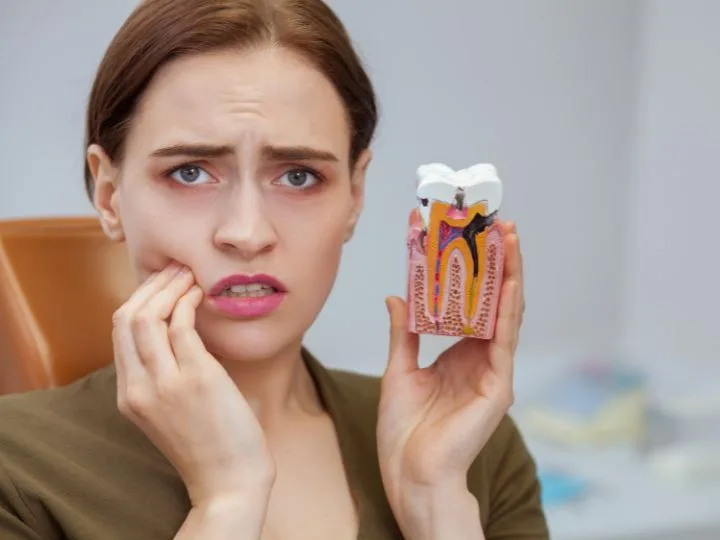
Dental pain rarely arrives at a convenient time. Whether it’s a sudden injury during sport, a cracked tooth from biting something hard, or an infection that flares up overnight, some dental problems simply can’t wait for a regular appointment. Knowing when to act quickly can make the difference between saving and losing a tooth. If you’ve ever found yourself typing emergency dentist near me into your phone at 2 am, you’re not alone. Dental emergencies are more common than most people think, and understanding the warning signs helps you respond calmly and effectively. In this guide, we break down nine situations that require immediate dental care and what you should do next.
Why Dental Emergencies Should NeverBe Ignored
Ignoring a dental emergency can lead to serious complications, including spreading infection, permanent tooth loss, and costly long-term treatment. Prompt care from a qualified dentist helps manage pain, prevent further damage, and improve outcomes.
In many cases, quick action is the difference between a simple repair and complex restorative work. That’s why knowing when to seek an emergency dentist near me is essential for protecting both your oral health and overall wellbeing.
9 Emergency Dental Situations That Need Immediate Attention
1. Severe Toothache That Won’t Go Away
A persistent or intense toothache often signals infection, decay, or nerve damage. If over-the-counter pain relief isn’t helping, it’s time to act quickly. This type of pain should never be ignored, as it can worsen rapidly.
2. Knocked-Out Tooth
A knocked-out tooth is one of the most urgent dental emergencies. If treated within an hour, there’s a chance it can be saved. Handle the tooth carefully, avoid touching the root, and seek an emergency dentist near me immediately.
3. Cracked or Broken Tooth
A cracked tooth may expose nerves, leading to sharp pain or sensitivity. Even if the damage seems minor, it can worsen without treatment. Quick dental intervention helps prevent infection and further structural damage.
4. Dental Abscess or Swelling
An abscess is a serious infection that can appear as swelling, pus, or a painful lump in the gums. It may also cause fever or a bad taste in the mouth. This condition requires urgent treatment to stop the infection from spreading.
5. Uncontrolled Bleeding After Injury
If your mouth continues bleeding after an accident or dental procedure, it may indicate tissue damage or a deeper issue. Apply gentle pressure with gauze and seek immediate dental care if it doesn’t stop quickly.
6. Lost Filling or Crown
While it might not seem urgent, losing a filling or crown exposes the tooth to further damage and sensitivity. Temporary dental kits may help, but you should still contact an emergency dentist near me as soon as possible.
7. Swollen Jaw or Face
Facial swelling often points to infection or impacted teeth. It can spread quickly and become serious if left untreated. Swelling accompanied by pain or fever should always be treated as an emergency.
8. Sudden Sensitivity to Hot or Cold
If you suddenly experience sharp sensitivity, it may indicate exposed nerves, cracks, or decay. When the discomfort is severe or persistent, prompt assessment is essential to prevent worsening damage.
9. Injury to Gums, Lips, or Tongue
Cuts or trauma to soft tissues in the mouth can bleed heavily and may require stitches. If the injury is deep or won’t stop bleeding, immediate dental or medical attention is necessary.
What to Do Before You Reach the Dentist
While waiting to see a professional, there are a few steps you can take to manage discomfort and reduce risk:
- Rinse your mouth gently with warm salt water
- Apply a cold compress to reduce swelling
- Use over-the-counter pain relief if appropriate
- Avoid chewing on the affected side
- Keep any broken tooth pieces or crowns safe in a clean container
These measures don’t replace professional treatment, but they can help stabilise the situation until you reach a dentist.
The Role of Preventive Dentistry in Avoiding Emergencies
Many dental emergencies are preventable with consistent care. Good oral hygiene habits and regular check-ups play a major role in reducing risk. This is where preventive dentistry becomes essential.
Preventive dentistry focuses on:
- Early detection of decay and gum disease
- Regular professional cleaning
- Strengthening teeth with fluoride treatments
- Identifying structural issues before they become emergencies
By prioritising routine dental visits, you significantly reduce the likelihood of needing to urgently search for an emergency dentist near me. Prevention is always more comfortable—and more affordable—than emergency treatment.
Final Thoughts
Dental emergencies can be stressful, painful, and unexpected, but knowing how to recognise them makes a huge difference. Whether it’s a knocked-out tooth, severe pain, or signs of infection, acting quickly is key to protecting your oral health. If you ever find yourself unsure, it’s always better to err on the side of caution and contact a dental professional. A timely response can save your tooth, reduce complications, and restore comfort faster than waiting it out. And while emergencies can’t always be avoided, strong habits in preventive dentistry will help keep your smile healthier and reduce the chances of needing urgent care in the first place.
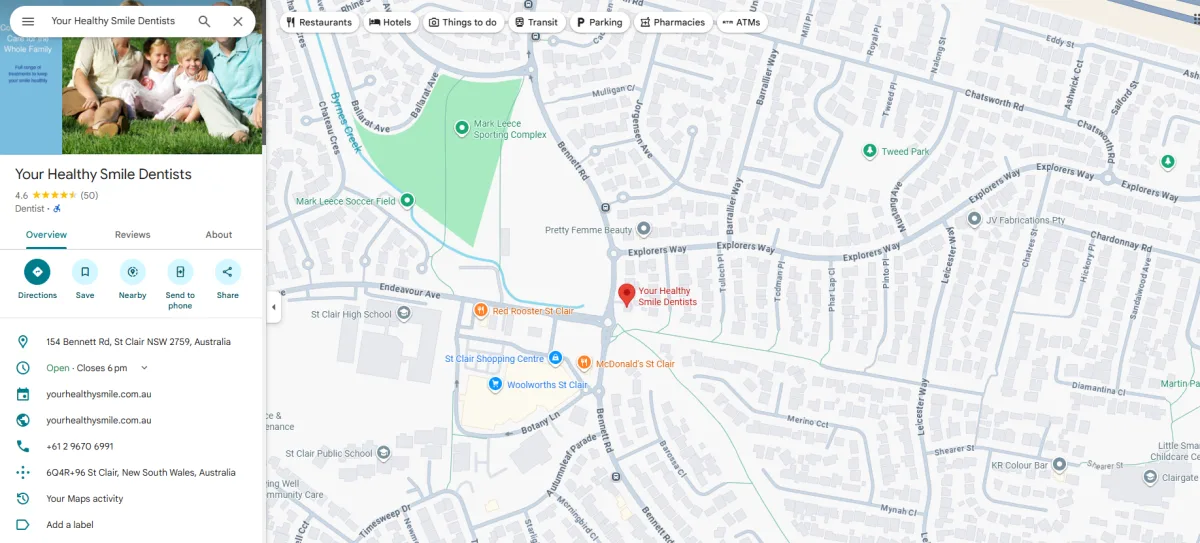
Your Healthy Smile Dentists
154 Bennett Rd,
St Clair, NSW 2759, Australia
+61296706991
0 comments
Log in to leave a comment.
Be the first to comment.